
Repairs That Stop Leaks at the Source
Roof Replacement for Shingle, Tile & Flat Roof Systems
Roof Rite provides complete roof replacement for the roofing systems commonly found throughout Palmdale, Lancaster, and the Antelope Valley. When a roof has reached the end of its service life or sustained extensive damage, our team can remove the existing roofing materials and install a new system designed for the property.
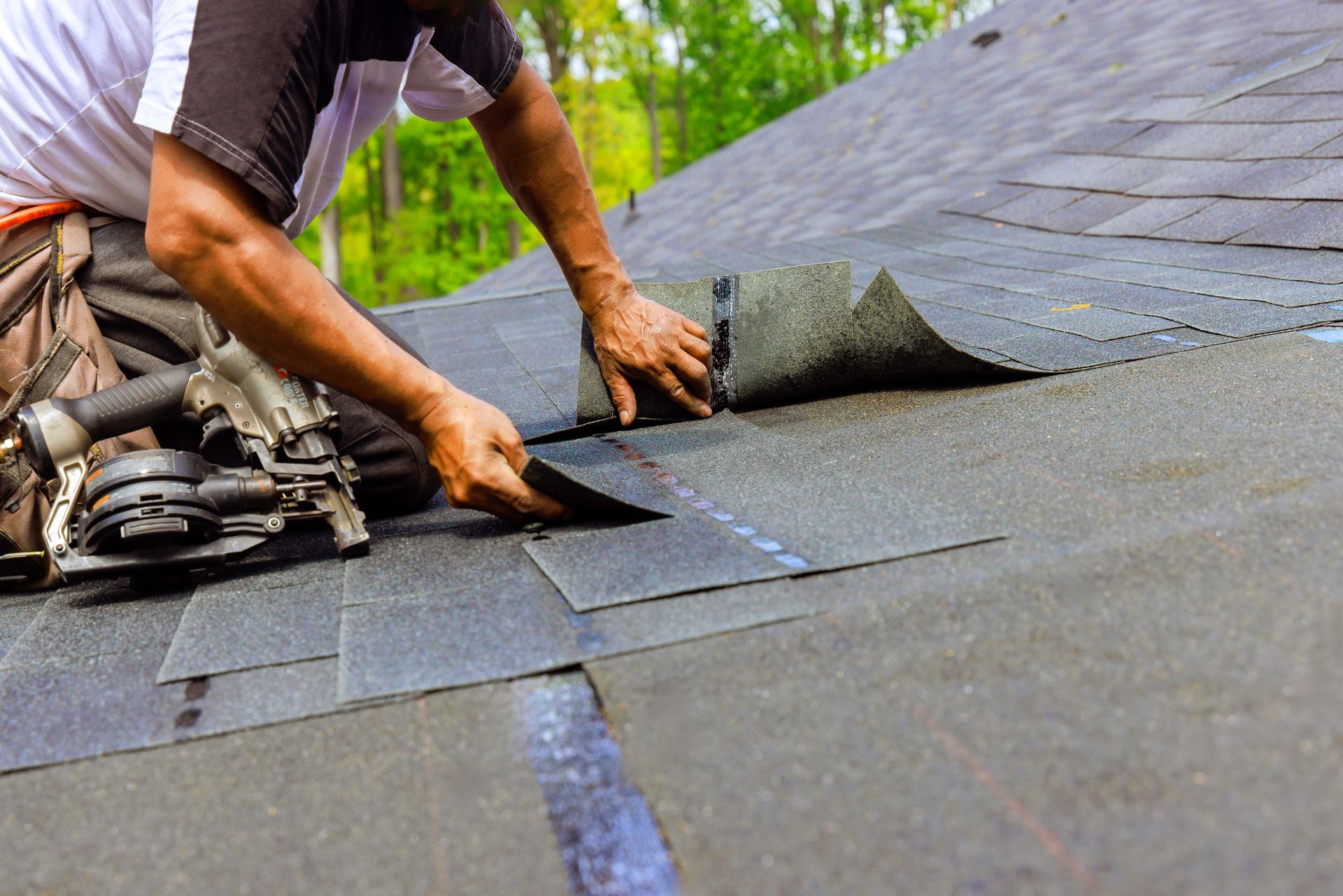
Our roof replacement services include full tear-off and re-roofing for composition shingle, tile, and flat or gravel roofing systems. During a full replacement, damaged or deteriorated roofing materials are removed so the underlying decking and roof structure can be properly evaluated before the new roof is installed. This approach helps address problems that may otherwise remain hidden beneath an older roofing system.
Whether your home has aging shingles, cracked or displaced tile, or a deteriorating flat roof, Roof Rite can evaluate the existing system and recommend the appropriate replacement solution based on the roof's condition, design, and exposure to the Antelope Valley climate.
Help With Roofing Insurance Claims
Roof damage caused by wind, storms, or other covered events can make the insurance claim process confusing for homeowners. Roof Rite helps homeowners document roofing damage and understand what needs to be addressed when pursuing a roofing insurance claim.
Our team can inspect the roof, identify visible damage, document affected areas, and provide the information and replacement estimate needed for the claims process. We work with homeowners to clearly explain the condition of their roofing system and the scope of recommended repairs or replacement.
While insurance coverage and claim decisions are determined by your insurance provider and policy, having thorough documentation from an experienced roofing contractor can help you better understand the condition of your roof and provide your insurer with the information needed to evaluate the damage.
Roofing Built for the Antelope Valley Climate
Roofs in Palmdale and Lancaster face conditions that can accelerate roofing wear. Intense summer heat, prolonged sun exposure, temperature swings, and high winds can place additional stress on roofing materials over time.
Repeated heat exposure can contribute to material deterioration, while expansion and contraction can affect flashing, fasteners, sealants, and other roof components. High-wind events can also lift or damage shingles, loosen roofing materials, and expose vulnerable areas of the roof to water intrusion.
Because of these conditions, choosing the right roofing system and installation approach is important for long-term performance. Roof Rite evaluates the existing roof, the property's exposure, and the condition of the underlying materials when determining whether repair or full replacement makes the most sense.
Ready for a New Roof? Get a Free Replacement Estimate
If your roof is aging, repeatedly leaking, or showing signs of widespread damage, a full replacement may be more cost-effective than continuing with repairs. Roof Rite can inspect your roofing system, explain your options, and provide a free roof replacement estimate.
Contact Roof Rite today to schedule your free replacement estimate in Palmdale, Lancaster, or the surrounding Antelope Valley area.